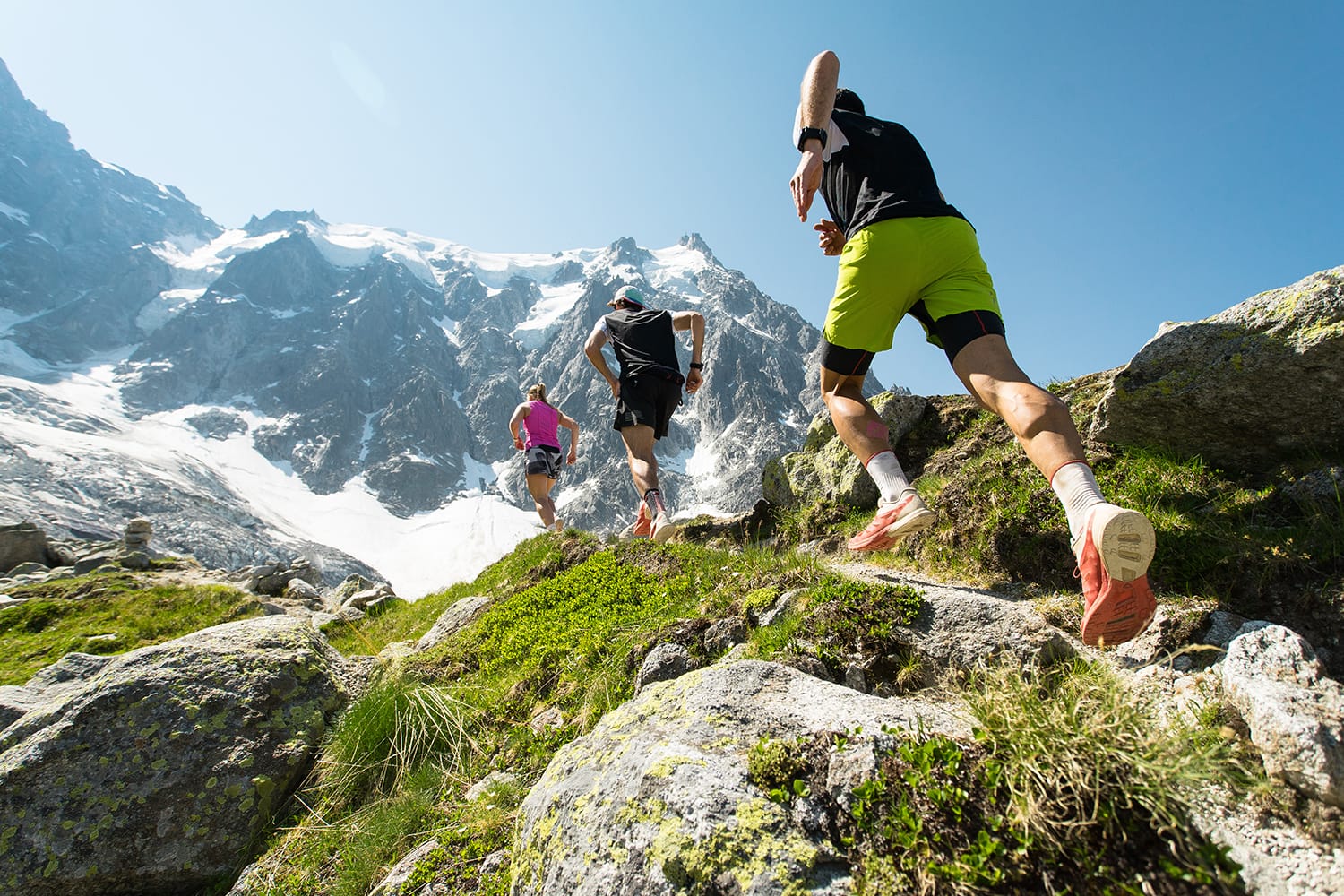
There’s something special about the freedom of the trail — the crunch of gravel underfoot, the scent of pine after rain, and the blend of challenge and calm that comes from moving through wild places on your own two feet. But to truly enjoy it, you need gear that keeps up — and that starts with the right shoes.
The best trail running shoes aren’t just road models with more tread. They’re purpose-built to handle unpredictable terrain, protect your feet from rocks and roots, and give you reliable grip whether you’re tackling steep climbs, slick descents, or long stretches of forest singletrack. With so many options on the market, finding the perfect pair can feel overwhelming — but that’s where we come in.
For this year’s roundup, we hit a wide range of trails and conditions — from muddy mountain paths to dry desert switchbacks — to find the best trail runners for every kind of runner. Whether you’re chasing vert, building endurance, or just exploring your local loops after work, we’ve found models that balance comfort, traction, and durability for every adventure.
Best Trail Running Shoes

Saucony Peregrine 15
Category: Rugged-Trail
Weight (Pair): 1 lb. 3.4 oz.
Cushioning: Moderate
Drop: 4mm
Few shoes have earned their reputation on the trail quite like the Saucony Peregrine. Now in its 15th iteration, this classic continues to prove why it’s a go-to for runners who want a reliable, do-it-all trail shoe.
The Peregrine 15 sticks with what works: a grippy PWRTRAC outsole that bites into dirt, gravel, and mud, paired with a responsive PWRRUN midsole that delivers just the right balance of cushioning and ground feel. What’s new this year is a refined upper that’s lighter and more breathable, yet still offers a snug, secure fit — especially around the midfoot and heel.
On the trail, the Peregrine feels nimble and confident. It handles technical descents with ease and keeps you stable through rocky sections without feeling overly stiff. The rock plate adds solid protection, and drainage is noticeably improved compared to earlier versions.
View on REI View on Amazon

Hoka Torrent 4
Category: Light-Trail
Weight (Pair): 1 lb. 3.6 oz.
Cushioning: Moderate
Drop: 5mm
The Hoka Torrent has always been a bit of an underdog in the brand’s lineup — lightweight, responsive, and built for runners who want trail speed without sacrificing comfort. With the Torrent 4, Hoka has dialed things up a notch, delivering a softer, bouncier, and more stable ride that still feels fast and agile on technical terrain.
The updates are easy to feel from the first step. Hoka reworked the midsole with a new compound that’s both lighter and cushier, increasing the stack height but keeping your foot securely cradled in an Active Foot Frame™ for a stable, centered feel. Underneath, the redesigned 5 mm lugs now offer an even more aggressive bite, with high-abrasion rubber wrapped strategically up the outsole for durability and better grip on uneven ground.
Despite these comfort upgrades, the Torrent 4 hasn’t lost its edge. It still feels nimble and precise on twisty singletrack, but now with a touch more protection and plushness for longer runs. The extra-soft sockliner adds step-in comfort that holds up over big mileage days — a small change that makes a big difference.
View on REI View on Amazon

Salomon Speedcross 6
Category: Rugged-Trail
Weight (Pair): 1 lb. 5 oz.
Cushioning: Moderate
Drop: 10mm
Few shoes scream “trail” quite like the Salomon Speedcross. With its aggressive lugs and unmistakable silhouette, it’s been the go-to model for years among runners who thrive on steep climbs, muddy descents, and unpredictable conditions. The Speedcross 6 keeps that legacy alive — and somehow makes it faster.
Salomon trimmed some weight from this version without sacrificing the signature grip that defines the line. The updated Contagrip® outsole features deeper, chevron-shaped lugs that shed mud more efficiently, giving it even better traction on soft, loose ground. The EnergyCell+ midsole adds a bit of responsiveness underfoot, while still maintaining that stable, slightly firm platform that trail purists appreciate.
One of the most noticeable improvements is the upper. It’s lighter, sleeker, and drains better than before, with a snug, glove-like fit that locks the foot in for confident technical running. Paired with Salomon’s Quicklace system, it’s easy to get a secure fit and make micro-adjustments on the fly.
On rugged, sloppy terrain, few shoes perform as confidently as the Speedcross 6. It’s not the softest or the most flexible option out there, but when traction and control matter most, this shoe delivers in spades.
View on REI View on Amazon

La Sportiva Bushido III
Category: Rugged-Trail
Weight (Pair): 1 lb. 5 oz.
Cushioning: Moderate
Drop: 6mm
If there’s a shoe that embodies the spirit of mountain running, it’s the La Sportiva Bushido III. Built for rocky ridgelines, alpine scrambles, and steep switchbacks, the Bushido is all about precision, protection, and control when the trail gets rough. The third iteration sharpens that identity even more.
La Sportiva didn’t reinvent the wheel here — they refined it. The Bushido III keeps its firm, stable platform but adds a touch more cushioning and flexibility underfoot, giving it a smoother transition without dulling the ground feel that loyal fans love. The FriXion® Red 2.0 outsole grips like glue on rock, dirt, and roots, while the aggressive lug pattern inspires confidence when descending steep, loose slopes.
The upper got the biggest overhaul. It’s more breathable and slightly softer, with better drainage for wet conditions. Fit-wise, it maintains that signature performance snugness — secure through the midfoot and heel with a dialed-in race feel. For those who prefer more space up front, La Sportiva now offers a Wide version for the first time, which broadens its appeal without compromising the shoe’s technical character.
On foot, the Bushido III feels like an extension of your body — agile, low-profile, and unflinchingly stable. It’s not the plushest ride out there, but for technical terrain, it’s hard to beat its precision.
View on REI View on Amazon

Hoka Speedgoat 6
Category: Rugged-Trail
Weight (Pair): 1 lb. 3.6 oz.
Cushioning: Maximum
Drop: 5mm
Few trail shoes have the kind of loyal following the Hoka Speedgoat enjoys. It’s long been the go-to for ultrarunners and long-distance adventurers who want max cushioning without losing grip or confidence on technical terrain. The Speedgoat 6 keeps that DNA intact but trims it down and tunes it up for a smoother, faster ride.
This update brings a more responsive midsole foam, shedding a bit of weight while increasing rebound and efficiency. The result is a shoe that feels lighter on the foot but still delivers that trademark plush comfort mile after mile. The Vibram® Megagrip outsole with Traction Lug tech remains one of the best in the business — sticky on rock, secure in mud, and reliable on steep climbs and descents.
The upper has been completely reworked with lighter, more breathable materials and a streamlined fit that still feels stable underfoot. Hoka also improved the toebox shape slightly for comfort over long distances, without making the shoe feel sloppy.
What stands out most about the Speedgoat 6 is its balance — a shoe that softens the miles without dulling the trail. It’s smoother and snappier than before, making it just as capable for technical mountain days as for all-day training runs.
View on REI View on Amazon

Altra Lone Peak 9
Category: Rugged-Trail
Weight (Pair): 1 lb. 6.4 oz.
Cushioning: Moderate
Drop: 0mm
For many trail runners, the Altra Lone Peak isn’t just a shoe — it’s a philosophy. Zero drop, a wide toe box, and a natural feel have made it a longtime favorite among runners who want to move the way their feet were designed to. With the Lone Peak 9, Altra continues to fine-tune the formula, keeping what fans love while adding small but meaningful improvements.
The latest version sheds a little weight and adds a touch more bounce thanks to an updated Altra EGO™ midsole. It’s still a moderate-cushion shoe — firm enough to feel the terrain but soft enough for long hours on dirt. The MaxTrac™ outsole and multi-directional lug pattern provide solid grip across varied terrain, though it’s best suited for moderate trails rather than deep mud or technical rock.
One of the Lone Peak’s standout features remains its FootShape™ fit, which gives your toes room to splay naturally — a blessing on long runs and hot days. The upper has been streamlined for better durability and drainage, with less bulk but the same secure midfoot hold.
On the trail, the Lone Peak 9 feels natural and grounded. It encourages efficient form and quick cadence, rewarding runners who appreciate connection with the trail over plush cushioning. It’s not flashy, but it’s reliable — and few shoes blend comfort and simplicity this well.
View on REI View on Amazon

Topo Ultraventure 4
Category: Light-Trail
Weight (Pair): 1 lb. 4.8 oz.
Cushioning: Maximum
Drop: 5mm
If Altra’s Lone Peak is the barefoot purist’s choice, the Topo Ultraventure 4 is the more forgiving cousin — built for long miles, big vert, and comfort that doesn’t compromise on foot health. Topo has always focused on anatomical design, and the Ultraventure 4 refines that approach beautifully.
This version introduces a new ZipFoam™ midsole compound that’s both softer and more responsive than before. The cushioning feels smooth and springy without being mushy, striking a sweet spot between trail feel and protection. The Vibram® XS Trek EVO outsole features multidirectional lugs for reliable traction across dirt, gravel, and rocky terrain — it’s not an aggressive mud shoe, but it grips confidently in most conditions.
Fit is where Topo shines, and the Ultraventure 4 is no exception. The rounded toe box gives toes room to splay, but the midfoot and heel hold the foot securely for stable footing on uneven ground. The upper feels plush and breathable, and the overall construction gives off “100-mile comfort” vibes — it’s a shoe that disappears on your feet during long runs.
Out on the trail, the Ultraventure 4 feels easy and efficient — the kind of shoe that makes you want to keep going just a little farther. It’s not flashy or hyper-specialized, but it’s one of the most comfortable, well-balanced trail shoes out there right now.
View on REI View on Amazon

The North Face Altamesa 500
Category: Light-Trail
Weight (Pair): 1 lb. 4.82 oz.
Cushioning: Moderate
Drop: 6mm
The North Face has been steadily earning credibility in the trail-running world, and with the Altamesa 500, it feels like they’ve truly arrived. This shoe blends innovation and comfort in a way that makes it more than just a solid first impression — it’s a legitimate contender among the best trail-running shoes of the year.
Built around a high-stack, modern geometry, the Altamesa 500 delivers a plush-yet-stable ride that feels tuned for long-distance comfort. The Dream midsole foam provides soft, bouncy cushioning with a hint of propulsion, while the Surface CTRL™ rubber outsole and 3.5 mm lugs keep traction reliable on a wide variety of surfaces. It’s not an extreme mountain shoe, but it’s more capable than its road-like profile might suggest.
The upper design is equally impressive — lightweight, highly breathable, and form-fitting without feeling restrictive. It uses an internal support structure that cradles the foot securely, keeping things steady even when the trail tilts or twists. Combined with the shoe’s balanced rocker, the Altamesa 500 feels smooth and efficient over long distances.
In testing, it shines as a daily trainer and long-run workhorse — the kind of shoe that eats up mixed terrain with ease. For a relatively new player in the trail space, The North Face has absolutely nailed the comfort-to-performance ratio here.
View on REI View on Amazon
What to Look for in Good Trail-Running Shoes
Not all trail-running shoes are made equal. Even high-quality trail-running shoes have their differences. Consider when and how you like to run, then be mindful of these things before purchasing your next pair of trail-running shoes.
1. Type of Shoe
a. Rugged Trails
These specialized shoes are designed to keep your feet safe and secure as you tackle tricky inclines and declines and explore rough trails off the beaten path. Rugged trail-running shoes will have a stiffer build, heavier weight, and more durable construction.
b. Easy Trails
Easy trail-running shoes are the most flexible and comfortable of all three categories. They’re the most similar to a running shoe, but you’ll notice they offer more protection, traction, and stability. These shoes should only be worn on shorter hikes on well-maintained trails without significant inclines or declines.
c. All-Around
These are the most popular category of shoe because they’re the most versatile. They act as the best of both worlds between easy and rugged trail-running shoes by offering an ideal combination of comfort and performance.
2. Grip and Traction
The outsoles of a shoe will determine the amount of traction you get, which is also directly related to the type of trail-running shoes you decide to buy. Easy trail-running shoes offer the least grip, all-arounders come second, and rugged trail-running shoes offer the best traction. Rugged trail-running shoes may even have outsoles geared toward a certain condition like declines or mud.
Also, pay attention to the tread design and think about the trails you’re likely to be on. Tightly spaced, short lugs will help you out if you’re going over rock, while tall lugs that have wider spacing and a soft compound are better for mud.
3. Breathability
This is key for all runners because you don’t want to have moist feet throughout your run. Nylon mesh is typically used in trail-running shoes because it’s ideal for breathability. Some companies add additional materials to increase durability, so just be sure the shoes are breathable enough for your feet to stay comfortable.
4. Weight
There are positives and negatives when it comes to weight, so consider what you value most when you’re on the trail. Heavier shoes are going to be tougher and give you more support while lighter shoes will allow you to move faster on the trail while minimizing fatigue.
5. Drop Distance
While this tends to be an issue of personal preference, it’s best to ease into a new design slowly before heading out on a hike. A shoe’s drop is the distance between the height of your toe and the height of your heel, and it impacts how your feet hit the ground. A toe-to-heel drop that’s 8mm or less encourages a landing on your forefoot or midfoot. Rugged trail-running shoes have the most extreme drops that range from 8mm to 10mm and promote heel landings.
6. Cushion
The amount of cushion in trail-running shoes varies greatly. Cushion will have a large impact on the comfort of your feet. Shoes with lots of cushioning will protect your feet, but they also won’t connect as much with the trail. Less cushioning in the shoes means they’re more nimble. If your feet are sensitive to the pounding they’ll take on the trail, it’s probably a good idea to go with more cushioning.
7. Protection
Stubbing your toe or stepping on something sharp are inevitable parts of trail-running. To increase the protection of your toes and soles of your feet, look for shoes with toe guards and/or rock plates.
8. Waterproofing
Waterproofing is great for year-round hiking or running in cold weather, snow, or rain. If you love trail running in all types of weather and in every season, definitely be on the hunt for the best waterproof trail running shoes. It’s not so great for summer hikes in hot and dry temperatures. Even if you find yourself occasionally running through creeks, any of the best trail shoes should dry pretty quickly.
Travel
Berita Olahraga
Lowongan Kerja
Berita Terkini
Berita Terbaru
Berita Teknologi
Seputar Teknologi
Berita Politik
Resep Masakan
Pendidikan